


Description
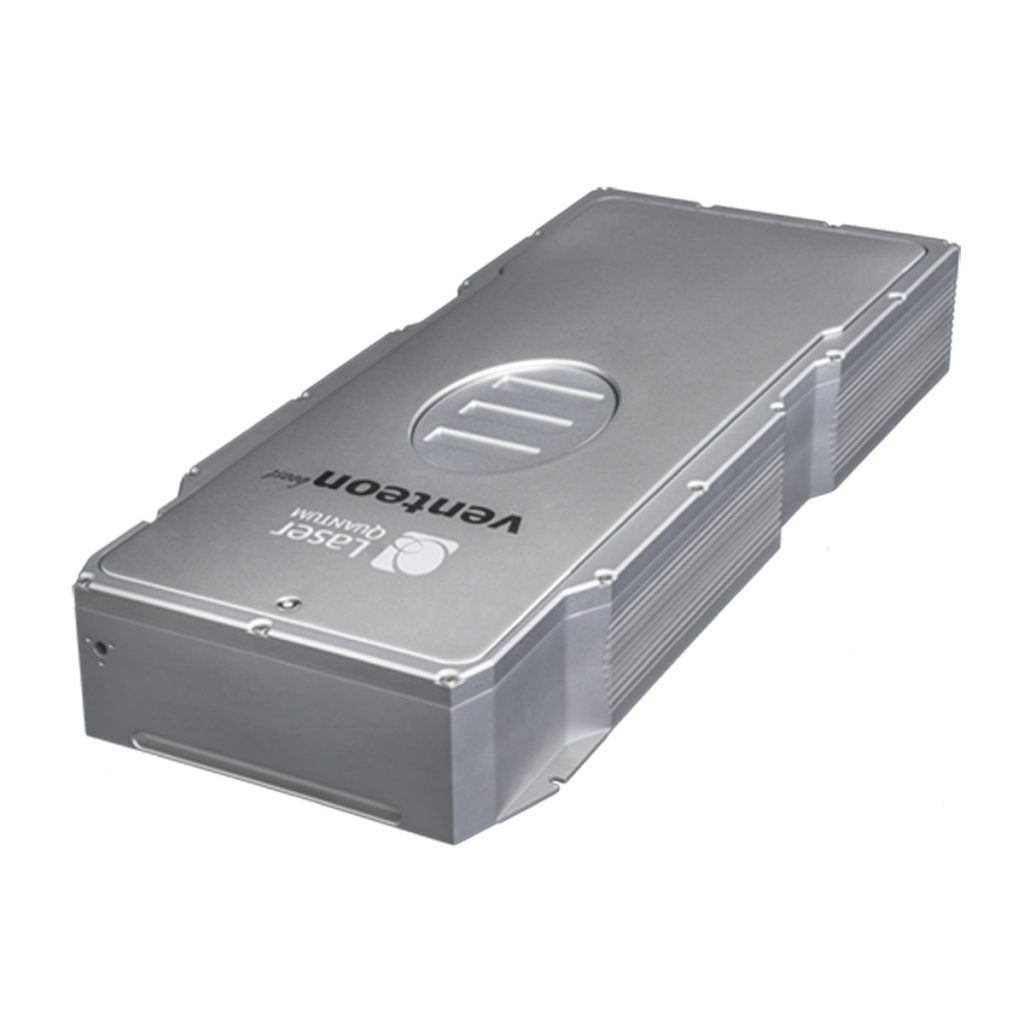
Laser Quantum ASOPS Engine — Asynchronous Optical Sampling Engine for THz Time-Domain Spectroscopy
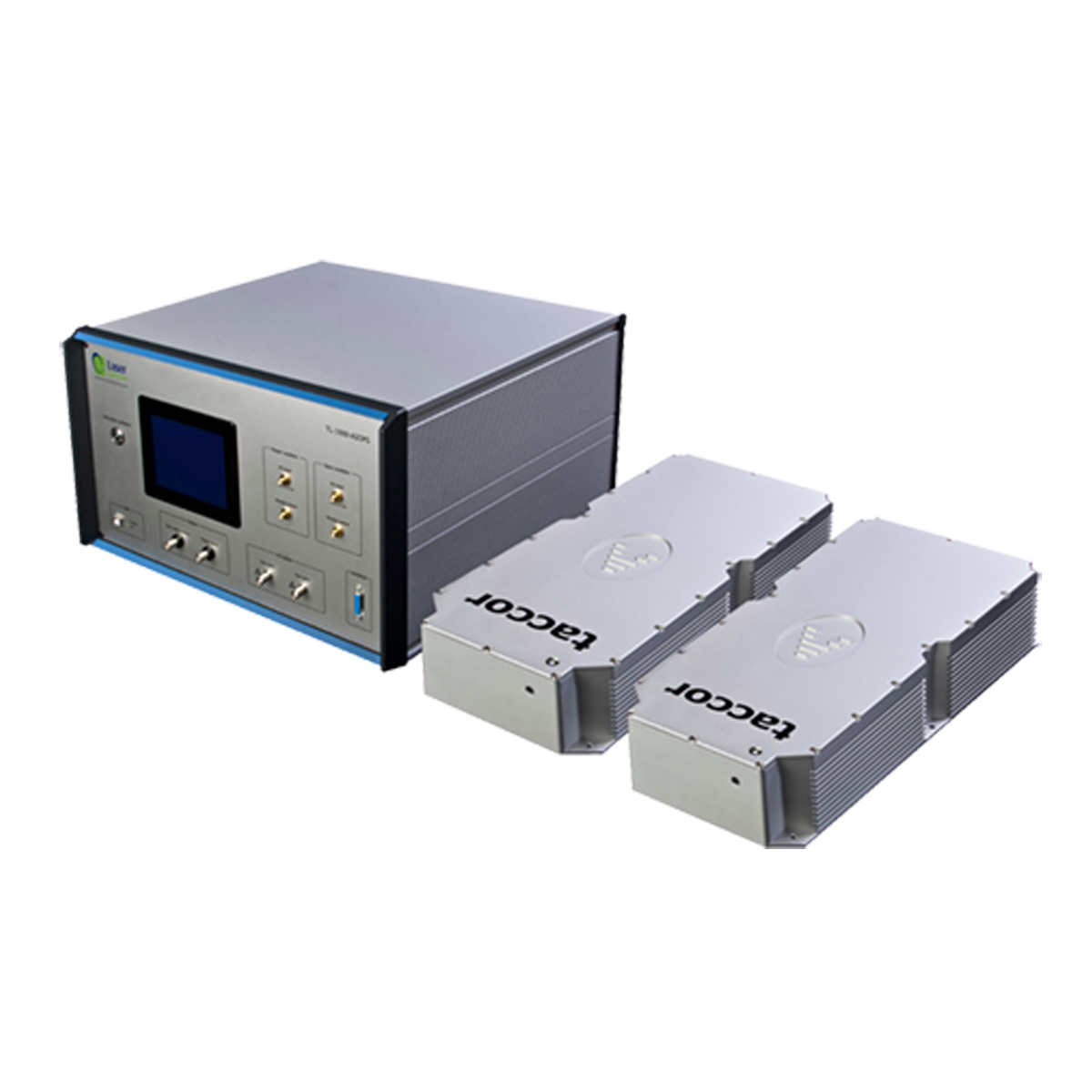
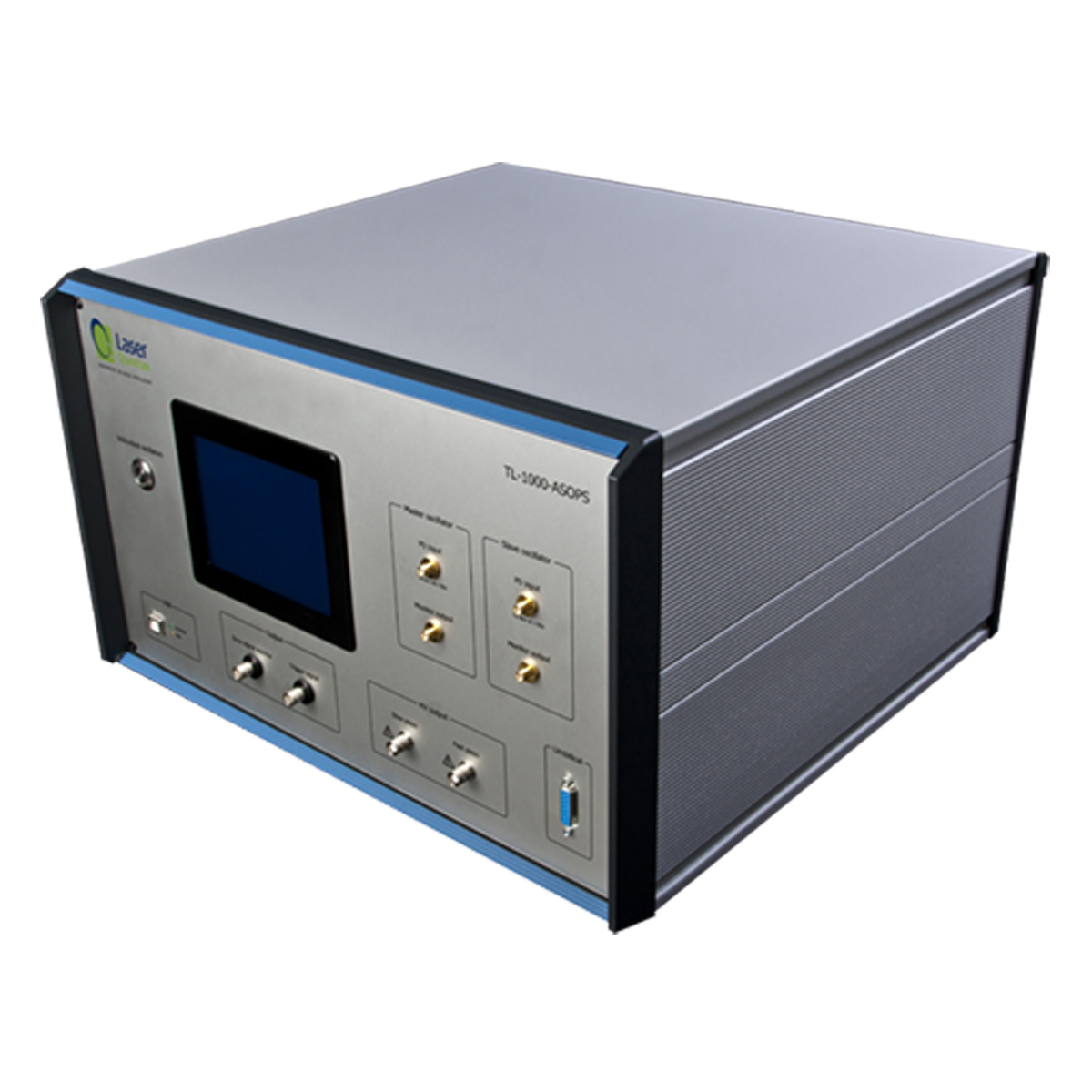
The ASOPS (Asynchronous Optical Sampling) Engine is a subsystem for precision time-domain measurement and analysis: two femtosecond lasers with closely matched repetition rates (1 GHz in the GHz version, 84 MHz in the MHz version) run with a small frequency offset, turning the time-delay scan into an electronic process with sweep rates up to 20 kHz. The GHz version achieves time resolution below 60 fs across the whole 1 ns delay window, giving THz-TDS exceptionally high frequency resolution and frequency stability; the MHz version delivers below 100 fs over 5 ns (11.9 ns delay window). Price on request (+86 159 2722 0467).
Key Parameters at a Glance
| Parameter | Specification |
|---|---|
| Configuration | GHz version: two 1 GHz femtosecond lasers; MHz version: 84 MHz lasers |
| Repetition-rate difference | GHz: 2–20 kHz; MHz: 10 Hz–1 kHz |
| Time resolution | GHz: <60 fs (full 1 ns window); MHz: <100 fs (5 ns window) |
| Delay window | GHz: 1 ns; MHz: 11.9 ns |
| Scan rate | Up to 20 kHz |
Key Features
- No mechanical delay line: ASOPS generates the delay from the frequency offset of two lasers, reaching scan rates up to 20 kHz — thousands of times faster than a mechanical translation stage.
- <60 fs time resolution across the full window: a major improvement in THz-TDS frequency resolution and stability.
- Two configurations: the GHz version targets high-speed, high-resolution THz time-domain spectroscopy; the MHz version provides a long 11.9 ns delay window.
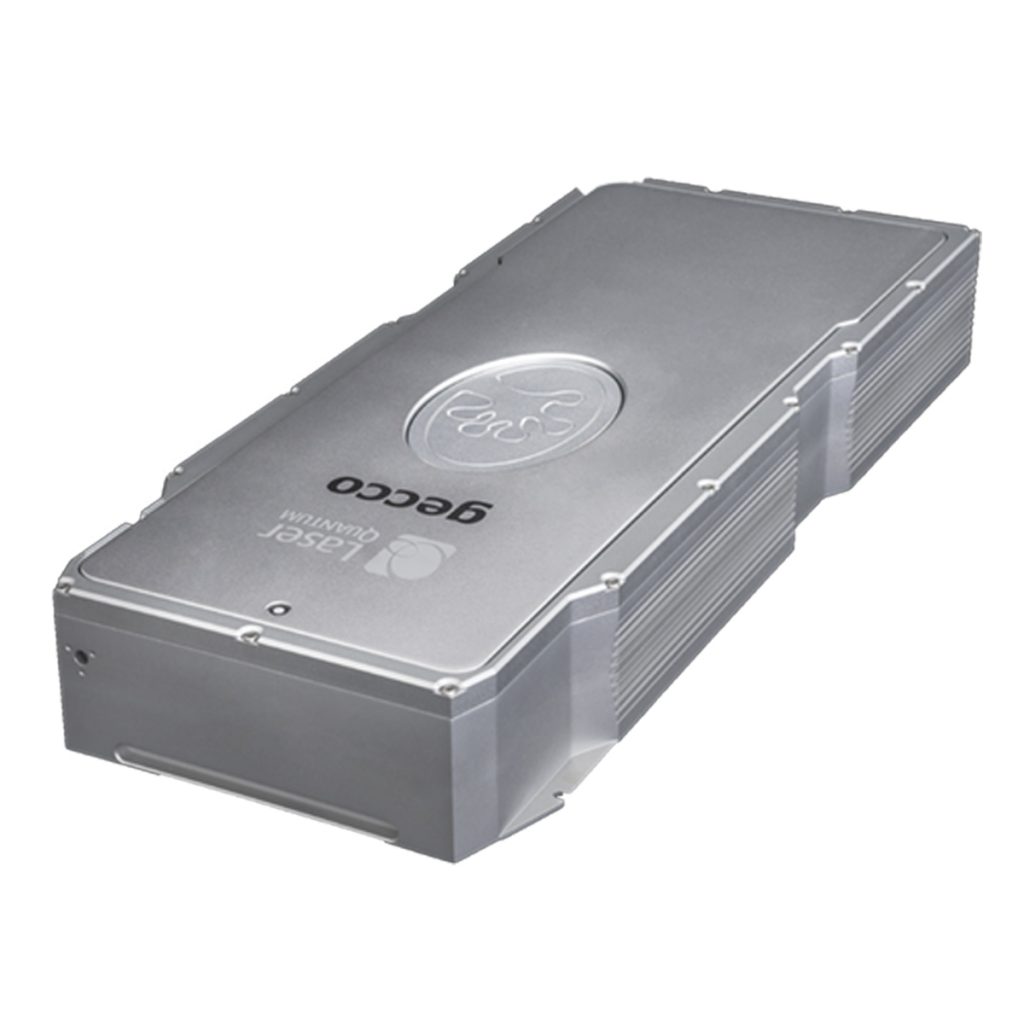
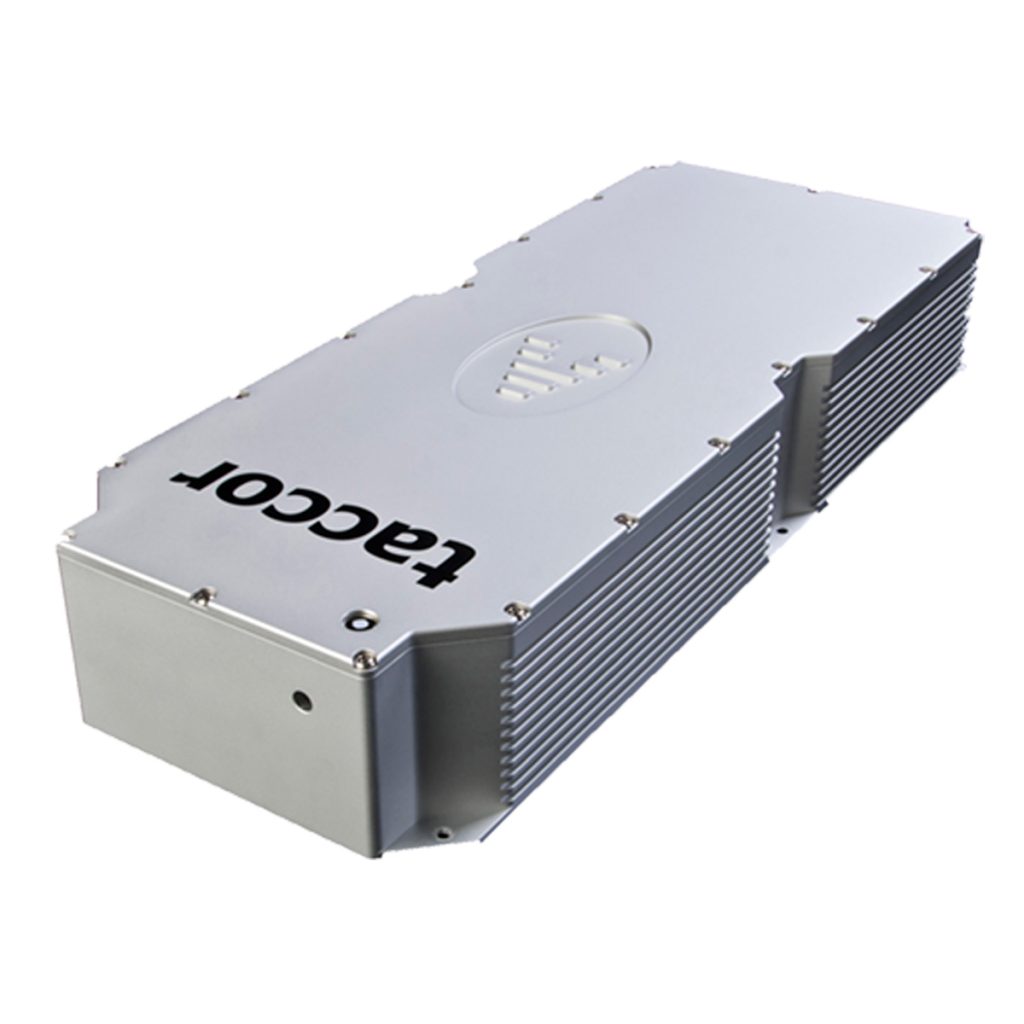
- Built on the taccor/gecco platform: the same technology family as Laser Quantum femtosecond lasers, for long-term maintenance-free operation.
Applications
Terahertz time-domain spectroscopy (THz-TDS), non-destructive material testing, semiconductor carrier dynamics, femtosecond pump-probe experiments and contact-free non-destructive inspection.
Detailed Specifications
| Parameter | ASOPS Engine GHz | ASOPS Engine MHz |
|---|---|---|
| Repetition rate | 1 GHz | 84 MHz |
| Typical repetition-rate difference | 2–20 kHz | 10 Hz – 1 kHz |
| Time resolution | <60 fs (full 1 ns window) | <100 fs (5 ns window) |
| Delay window | 1 ns | 11.9 ns |
Documents
The following documents are provided from the manufacturer’s (Novanta / Synrad) public materials; parameters are subject to the manufacturer’s specification sheets. For selection support or full manuals, call +86 159 2722 0467.
FAQ
Q: What are the advantages of ASOPS over a mechanical delay line?
A: A mechanical delay line is limited to a few hertz to a few tens of hertz. ASOPS maps the repetition-rate difference of two lasers directly onto the time delay and reaches 20 kHz, so a high-signal-to-noise THz waveform can be acquired in seconds.
Q: GHz or MHz version — how do I choose?
A: The GHz version gives the best time resolution (<60 fs over a 1 ns window) and suits routine THz-TDS; the MHz version offers an 11.9 ns delay window for observing long-lived echoes or thick samples.
Q: What does the system include?
A: Two phase-linked femtosecond lasers plus matching electronics and software (per the datasheet configuration). Please contact us for the exact configuration and integration options.
Related Products
- Laser Quantum taccor 1/10 GHz femtosecond laser
- Laser Quantum gecco femtosecond laser
- Full Ultrafast Laser range
Disclaimer
Parameters on this page are excerpted from official public materials of Novanta / Laser Quantum (datasheets/product manuals) and are provided for selection reference only; the manufacturer’s latest specification sheets prevail. Changsha Soar Laser Equipment Co., Ltd. supplies Novanta brands including Laser Quantum and Synrad with selection support. Price on request — call +86 159 2722 0467 or e-mail 859818709@qq.com.
Reviews
There are no reviews yet.